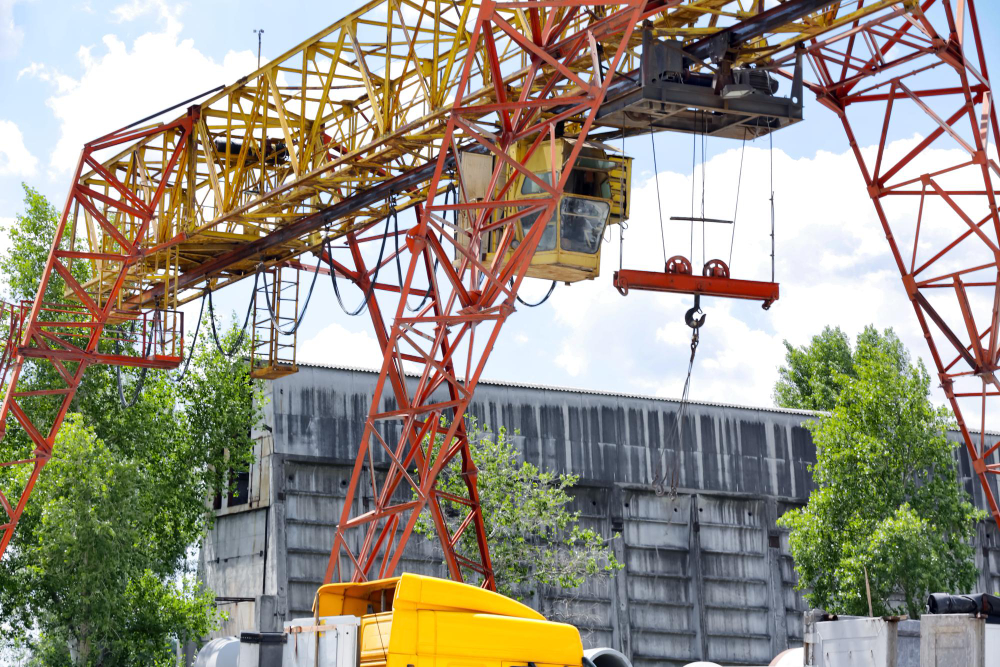
How Are Heavy Machinery Installations Completed Using Cranes in Akron, OH?
A heavy machinery installation runs as one sequence. The piece arrives on a flatbed and a crane lifts it clear. Rigging guides it to the footprint. Millwrights set and align it, and welded connections close the job out.
The handoffs between those steps are where installations go wrong. Our crews at Canal Crane and Hauling deliver the whole sequence in house under one contract. We run crane services from our Rootstown yard, with rigging, flatbed hauling, millwright work and structural welding on the same job.
Every install begins with a load analysis, a site walkthrough and hazard identification. A press that lands two inches off the anchor bolt pattern is a remobilization for most contractors. With quality crane services in Akron, OH behind the lift, it is a correction made the same hour.
The Sequence From Trailer to Anchor Bolt
Installation work has a fixed order, and each step constrains the next. Crane position comes from the set point. The rigging configuration comes from the load geometry. Alignment tolerance is set by the manufacturer.
Change one and the others move with it, which is why the steps in a successful crane lift get planned before anything mobilizes. That planning happens during the crane site evaluation.
What varies is the complexity of the middle. A compressor going onto a prepared pad in an open bay is a short day. A line component threading through a working plant floor is a different job, with live equipment either side and no room to swing. That difference shows up in the rigging plan rather than in the crane size. Getting the piece to the door is its own step, and our hauling service for heavy machinery plans that delivery so the trailer and the crane line up.
Rigging Decides How the Machine Arrives
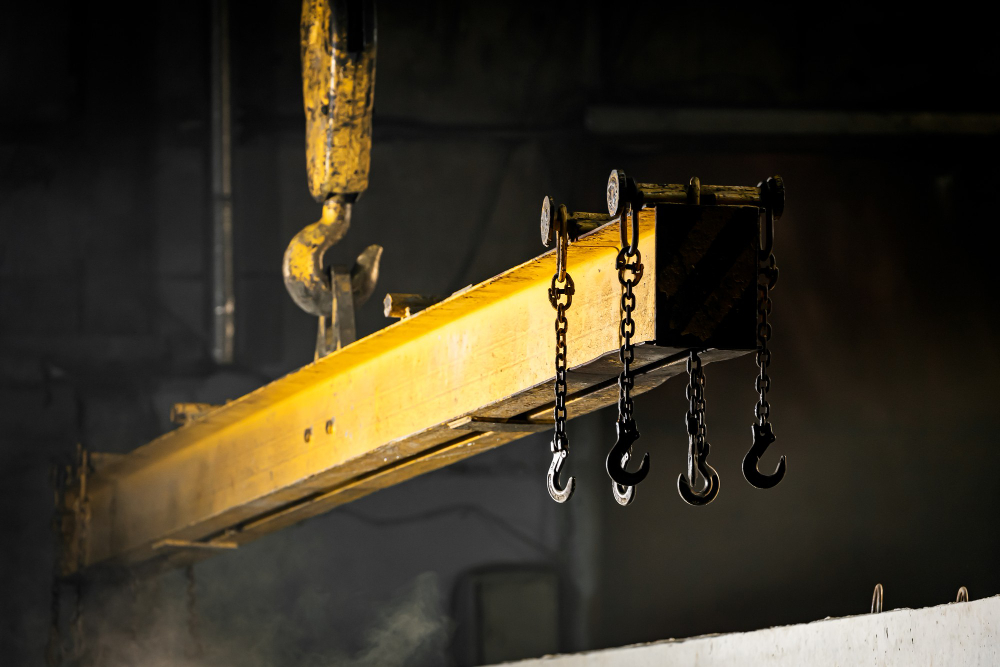
The crane provides the lift. Rigging determines how the load behaves while it is in the air. Attachment points, sling angles, hardware capacity and the center of gravity together decide whether the piece stays level. They also decide whether it arrives oriented the way the installation needs it. Our Akron rigger crew builds the rigging plan in house from the load analysis, so the people running the pick are the ones who configured it.
Irregular machinery is where that earns its keep. Offset weight, a high center of gravity, fragile housings or no designed lift points all call for a multi point configuration, and they behave nothing like the construction materials commonly lifted on a daily basis.
If you are planning an install this quarter, call (330) 227-8107. We will walk the route, confirm the tolerances and scope the sequence end to end.
Where the Crane Sits, and Why that Comes First
Crane positioning gets settled during the walkthrough, not on the morning of the install. The machine has to reach the set point at a radius the load chart supports. The ground has to carry the outrigger loading. The swing path has to clear structure, utilities and anything that cannot be moved. Those conditions often conflict, and resolving them is most of the planning work on an indoor install. Outdoor sets carry the added variable covered in our guide to wind and ground conditions on a lift.
Akron plants add their own constraints. Older facilities in Summit County were built with tight structural clearances. Decades of added conduit, ductwork and piping have eaten into what was left. Usable height at a door opening is often less than the drawings suggest. We measure it during crane work in Akron, OH rather than trusting a twenty year old plan set.
Millwright Work Starts the Moment the Load Lands
Setting the machine begins the installation. It does not end it. Base preparation, leveling in both axes, grouting where the foundation calls for it and shaft alignment all follow once the rigging comes off. Those steps decide how the equipment runs for the rest of its life. Misalignment measured in thousandths of an inch turns into bearing failure, vibration and seal damage months later.
This is the step that suffers most under a split contract. The crane company leaves and the millwright arrives days later. Nobody can say whether a position error came from the set or the anchor layout. That argument happens on the plant manager’s time.
Our comprehensive crane and hauling services put the millwright crew on the same job as the crane crew. A position that needs correcting gets corrected while the equipment is still rigged.
What we confirm before an install is scheduled:
- Manufacturer alignment and leveling tolerances for the specific machine
- Foundation condition, anchor bolt layout and whether grouting sits in scope
- Utility disconnection and reconnection responsibility, and who holds it
- Clearances along the full route, measured at the tightest point
- Whether commissioning or a run in test falls inside the project scope
Welded Connections Close the Installation Out
Many installs finish with steel rather than bolts. Anchor plates, structural brackets, equipment mounts and platform modifications all need load bearing welds. On a split contract that step waits for a welding crew to become available, and schedules lose days for no technical reason.
Our welders sit on the same contract as the crane and millwright crews. We have 30+ welding jobs completed, most of them inside a wider installation rather than as standalone work.
One Crew Across the Whole Job
The argument for single vendor delivery is not convenience. It is that the person who rigged the load is standing there when the alignment reading comes back out of tolerance. The fix takes an hour instead of a change order.
Canal Crane and Hauling serves Akron, OH, Cleveland and the Northeast Ohio corridor from Rootstown, around the clock. We have 100+ crane services and 200+ hauling projects behind us. Submit a request at canalcrane.com with your machine weight, your footprint and your shutdown window. We will build the install sequence around it.
Frequently Asked Questions
How much does a heavy machinery installation cost?
It depends on the machine’s weight and shape, the route from the trailer to the set point, the rigging it needs and how much millwright and welding work is in scope. Keeping the crane, rigging, alignment and welding on one contract avoids the remobilizations and change orders that drive up split vendor jobs. You’ll get a firm quote after we walk the route.
Can you install equipment without shutting down the whole plant?
In most cases, yes. We build the install sequence around your shutdown window, and our crews work around the clock to fit it. When a machine has to move through a working plant floor, the rigging plan accounts for live equipment on either side, so the rest of your operation keeps running.
Who handles utility disconnection and commissioning?
That’s settled before the job is scheduled. During planning, we confirm who is responsible for disconnecting and reconnecting utilities and whether commissioning or a run in test is part of the scope. Everything is in writing from the start, so there are no gaps or surprises on install day.
What do you need from us to plan the install?
Send the machine weight, the footprint, your shutdown window and the manufacturer’s alignment and leveling tolerances. We’ll walk the full route, measure the clearances at the tightest points, check the foundation and anchor layout, and give you a complete install sequence before anything mobilizes.
When the people who rig the load are the same people who align and weld it, mistakes get fixed in an hour instead of becoming a change order. Canal Crane will plan your installation from the flatbed to the final weld, around your shutdown window. Call (330) 227-8107, crane, rigging, millwright and welding work under one contract, scoped in full before anything mobilizes.