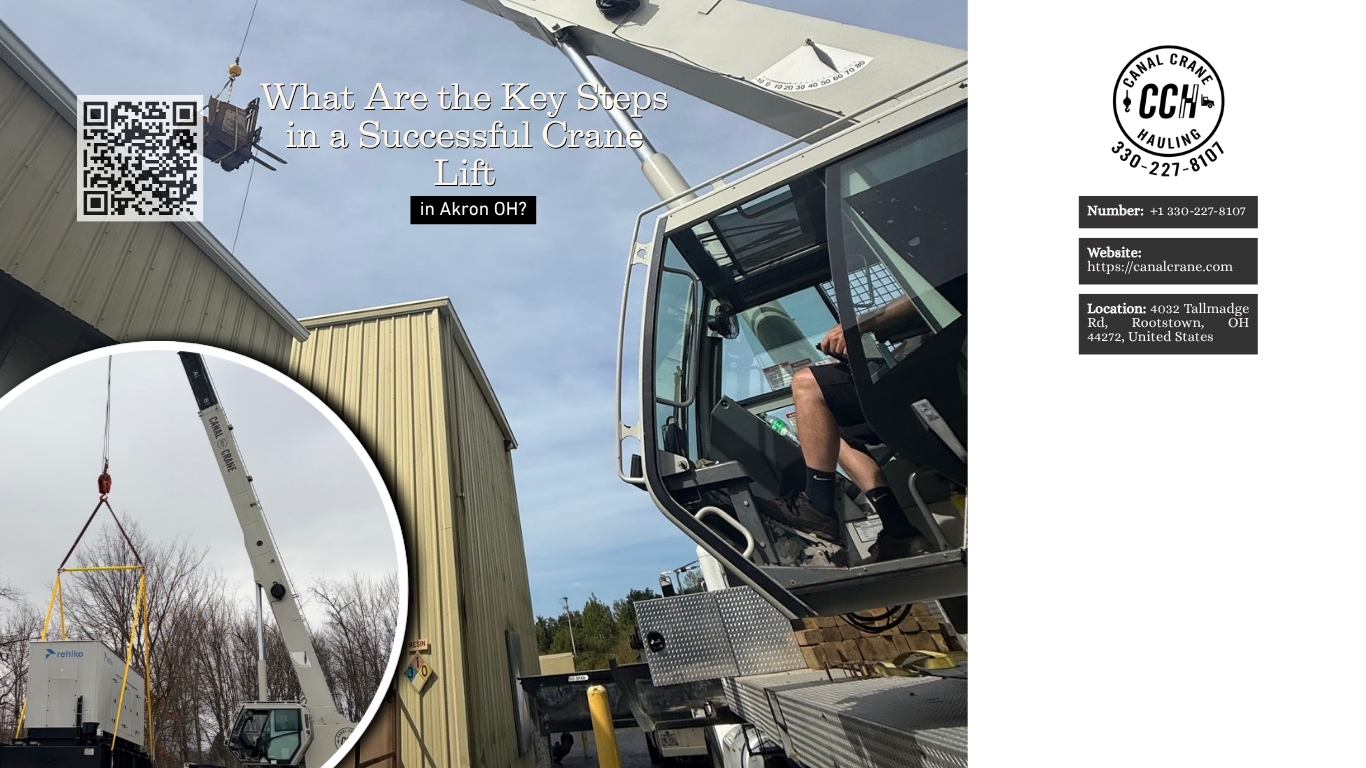
What Are the Key Steps in a Successful Crane Lift in Akron, OH?
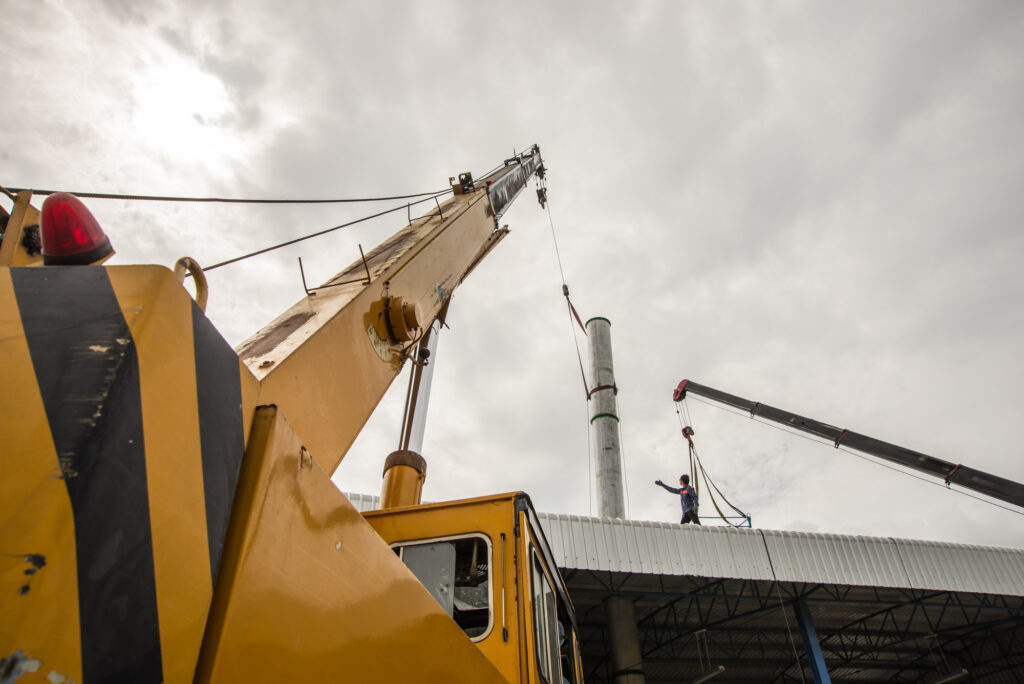
A crane lift that goes smoothly looks almost routine from the outside. The industrial crane boom comes up, the load moves, and it sets down clean. What that picture doesn’t show is the planning that made it look that way: the hours before the crane left the yard, the walkthrough the day before, the analysis that confirmed the load numbers before anyone touched a rigging strap.
At Canal Crane and Hauling, the lift is the last thing we do. Every pick we run in Akron starts with a structured planning process that works through the job piece by piece before any equipment is staged.
If you’re looking for a reliable crane rental company in Akron, OH, that kind of ground-up planning is exactly what separates a clean lift from a costly one. Here is what that full sequence looks like and why each step matters more than the one that follows it.
Step 1: Load Analysis Comes Before Everything Else
The first question on any crane lift is not where the crane goes. It is what, exactly, is being moved. Three factors must be established before the rigging configuration can be planned, before the crane can be properly sized, and before the site walkthrough has the real numbers to work with:
- Weight
- Overall dimensions
- Center of gravity
The center of gravity is the piece that catches people off guard most often. A load that looks balanced on the outside frequently is not. If the weight distribution is off and the rigging plan doesn’t account for it, the load tilts during the pick.
We run confirmed numbers rather than estimated ones, because the whole plan depends on them being right. The OSHA crane and hoist safety standards that govern this industry exist precisely because skipping this step has consequences.
Step 2: Site Walkthrough and Hazard Identification
Once we know the load, we need to know the site. The walkthrough is not a quick pass through the facility to confirm the crane can fit. We are checking access from the road to the lift zone, the condition of the ground where the outrigger mats will sit, overhead clearances above the pick area, and anything on site that creates a constraint the plan has to work around.
Akron facilities and construction sites each have their own layout challenges. An older manufacturing building in Summit County might have lower overhead clearances or floor obstructions that affect crane positioning.
An outdoor job site might have soft ground from recent weather. Hazard identification is part of this step: we document what we find and work it into the plan before work begins, not after something unexpected shows up mid-lift.
This is standard operating procedure on every engagement at Canal Crane and Hauling, regardless of how straightforward the job looks on paper.
Step 3: Building the Rigging Plan
With confirmed load data and site conditions in hand, the rigging plan follows. This document specifies how the load will be attached to the hook:
- Number of lift points
- Sling and hardware configuration
- Geometry of the pick
- Exact crane positioning relative to the load
It is the blueprint for the physical lift. For a standard, symmetrical load with clear manufacturer lift points, the plan is direct.
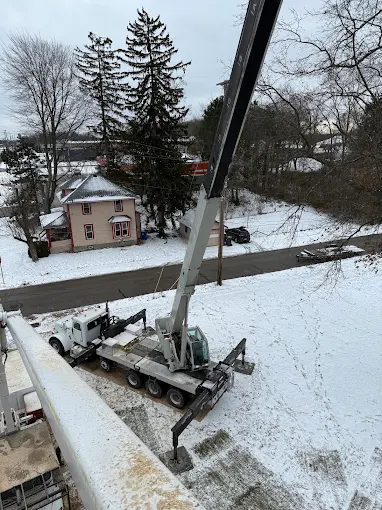
For loads with unusual weight distribution, irregular shapes, or placement zones with tight clearance, the rigging plan gets more involved. Multi-point configurations are sometimes required to keep the load stable and protect the equipment through the full travel from pick to set.
Our team develops rigging plans in-house as part of the pre-job planning process. The crew executing the lift built the plan. They are not working from assumptions someone else made about what the load needs.
Step 4: Executing the Lift with Certified Operators
The lift itself is where preparation pays off or exposes what was missed. Our operators are certified and bring direct, hands-on experience with industrial, construction, and commercial crane work across the Northeast Ohio corridor. They arrive on site having reviewed the load analysis, the rigging configuration, and the site assessment. There are no surprises at this stage if the planning was done right.
Crane positioning matters as much as the pick. The crane has to be set at the correct working radius, on ground that can carry the outrigger loads at that distance, with the boom angle matched to the reach required. A competent operator and rigger reads that setup before the hook goes down.
On precision lifts, the kind that place equipment into tight spaces, thread between overhead obstructions, or require a controlled swing through a narrow path, an experienced certified operator is what the planning is working toward. You can see the kind of work our crew handles in the Canal Crane project gallery.
Step 5: From the Set to the Final Installation
For most of the projects we run in Akron, the crane set is not the end of the job. It is one phase of a sequence. After the load lands, the next step is often millwright work: setting the equipment on its base, leveling it, and aligning rotating components to manufacturer tolerance. Where the installation requires structural connections, the welding crew completes load-bearing welds.
Because we handle crane, rigging, flatbed hauling, millwright, and structural welding in-house under one contract, there is no gap between the lift and the installation. Our track record reflects that full sequence:
- 100+crane services
- 200+ flatbed hauling projects
- 50+ rigging solutions
- 30+ welding jobs completed across the Northeast Ohio industrial corridor
We do not drop the load and hand it off to another company. The same crew that planned the lift is the crew that finishes the job. For plant managers in Akron managing a tight production window, and for GCs on industrial builds where every phase is connected to the next, that single-vendor model removes the handoff risk that derails schedules.
Frequently Asked Questions About Crane Lifts in Akron, OH
Provide the load weight and dimensions, the pick and set locations, any access or overhead constraints on site, the project timeline, and whether the job also requires rigging, flatbed hauling, millwright work, or structural welding. We conduct a site walkthrough before issuing any quote.
Load analysis establishes the confirmed weight, dimensions, and center of gravity of what is being lifted. A crane positioned for a load whose weight distribution was assumed rather than calculated can behave unpredictably during the pick. We do the analysis before the rigging plan is drawn and before the crane is sized for the job.
Yes. Our operators are certified. For documentation on specific certifications, contact us directly.
Yes. We handle crane operations, rigging, flatbed hauling, millwright installation, and structural welding in-house under a single contract. No subcontractors. No handoffs between companies.
A rigging plan documents the lift configuration: load weight, center of gravity, attachment points, hardware specifications, and crane positioning. Our team develops it in-house as part of the pre-job planning phase. The crew executing the lift built the plan.
Contact us as early as your project timeline allows. Lifts that require rigging plan development and multi-service coordination benefit from lead time. The pre-job planning process takes time to do correctly.
We operate 24 hours a day, seven days a week across Northeast Ohio. Contact us directly to discuss availability for your project.
Get a Site Assessment for Your Akron Project
Call (330) 227-8107 or submit a request at canalcrane.com to schedule a project walkthrough. Our team reviews your site, addresses the safety zone requirements specific to your property and load, and coordinates the full lift plan before any equipment is staged.
Resources:
Related Topics: