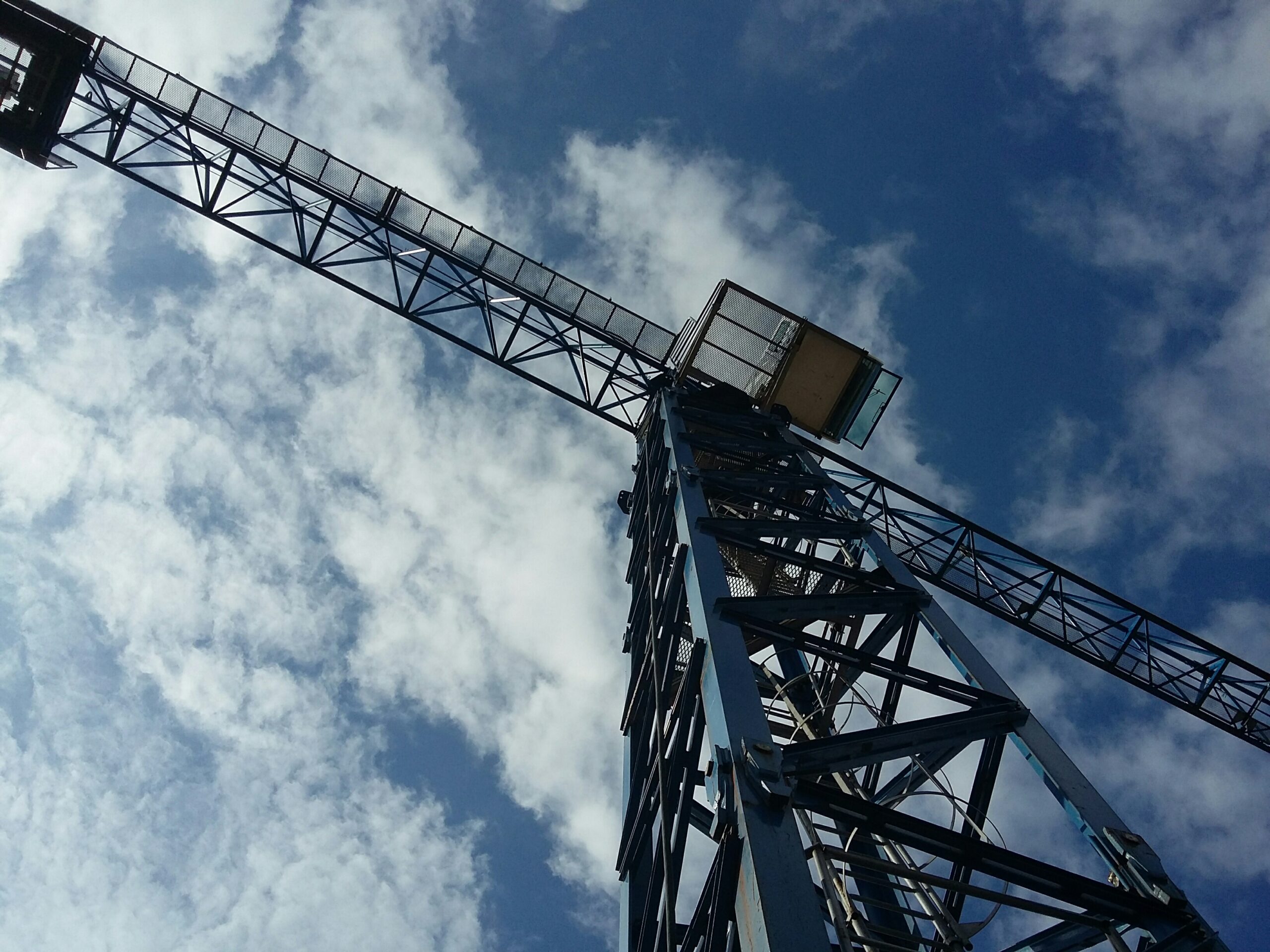
Why Does Weather Monitoring Matter for Crane Operations in Akron, OH?
Weather decides whether a lift happens. Wind, ground saturation and temperature each change what a crane can actually do, not just how comfortable the crew is. A machine rated for a load in still air on firm ground is not rated for the same load in a gusting crosswind. Add a saturated pad and the margin narrows again.
Our crews at Canal Crane and Hauling plan around that as a crane company working across Northeast Ohio. Weather gets recorded during the site walkthrough, alongside the load analysis and hazard identification. The result is a plan with a stated stop point instead of a judgment call made under schedule pressure. Ask an operator what wind speed would stop their lift, and the best crane services in Akron, OH will give you an answer that comes straight from the load chart.
Wind is The Limit The Load Chart Sets
Wind acts on the load and on the boom. Its effect grows with boom length, radius and the sail area of whatever is being flown. A flat panel and a compact steel weldment of the same weight behave nothing alike once a gust catches them. Permissible wind speed comes from the manufacturer’s chart for that machine in that configuration, and it tightens as the boom extends.
Gusts matter more than sustained readings. A steady breeze can be worked with. A gust arriving mid swing puts a dynamic load on the rigging and pushes the piece off its intended path.
Our operators monitor conditions at boom height rather than at ground level, and the importance of crane operator experience shows in calling that window correctly. The two readings differ, and the one that governs the lift is the one at the load.
What Akron Weather Does To a Lift Calendar
Northeast Ohio produces the full catalog. Lake Erie drives gusty conditions and heavy snow bands through late autumn. Spring brings saturated subgrade. Summer delivers storms that arrive faster than a boom can come down. None of that is unusual here, which is why it belongs in the plan rather than in the excuses. Autumn is the tightest stretch, as our guide to fall construction scheduling explains.
Scheduling reflects it. A pick with a tight weather tolerance gets an early slot and a named alternate date. A long boom lift does not get booked on a day with gusts forecast near the chart limit. Our crews work 24 hours a day, seven days a week. A calm overnight window in Akron, OH stays a usable option when the daytime forecast will not hold.
Nobody should be deciding at seven in the morning whether a gust forecast is close enough to the limit to risk it. Call (330) 227-8107 and we will walk your site, confirm the load figures and find the weather windows that will hold.
Saturated Ground Changes Where The Crane Can Sit
Outrigger pads concentrate enormous pressure into a small footprint. The ground’s ability to carry that is not a fixed property. It moves with moisture content. A position that supported a machine in August can settle under the same loading in November. Settlement under one outrigger during a loaded swing is among the more dangerous failures on a job site.

That is why a setup position gets re checked rather than reused. Recent excavation, unsettled backfill, a buried vault or a slab of unknown bearing capacity all change the cribbing requirement. Heavy rain between the walkthrough and the lift date can change it again. Where a haul is part of the same job, our heavy hauling services check the approach route for the same reason. A trailer sinks into a soft shoulder as readily as a crane does.
Cold, Ice and the Things That Stop Being Flexible
Low temperatures affect the hardware as much as the schedule. Slings and synthetic rigging behave differently when frozen. Ice on a load adds weight nobody calculated. An iced over walking surface changes how a crew can work around a suspended piece.
Freeze and thaw cycles move the ground under a pad as well, so the proper positioning of crane outriggers gets confirmed on the day rather than carried over from an earlier visit. Frozen ground that carried a machine at eight in the morning can soften by afternoon.
Steel handling in winter carries its own rules. Welded connections made in the cold need preheat considerations that a summer job would not. Those decisions belong in the plan rather than in a conversation held at the tailgate on the morning of the lift.
What we log during a cold weather walkthrough:
- Wind exposure at the setup position, including funneling between buildings
- Ground condition and drainage, plus what a thaw does to both
- Ice accumulation risk on the load, the rigging and the working surfaces
- Daylight window and the realistic stop time for the sequence
- The alternate setup position if the primary pad becomes unusable
Building Weather Into the Plan Rather than Reacting to it
A weather plan is worth something only if it was written before the pressure arrived. Ours names the conditions that stop the job. It names the point in the sequence where work can pause safely. It names the alternate date. The contractor has all three before the lift is booked, because all three come out of the site walkthrough we run before quoting.
Planning a Lift You Can Hold a Date On
A lift stood down for weather costs a day. A lift that goes ahead when it should not costs far more. The difference between the two is usually a decision made weeks earlier about what the stop criteria were.
Canal Crane and Hauling covers Akron, OH, Cleveland and the surrounding Northeast Ohio corridor from Rootstown. We have 100+ crane services, 200+ hauling projects, 50+ rigging jobs and 30+ welding jobs completed. Submit a request at canalcrane.com with your load details and the week you are targeting. We will tell you what the forecast realistically allows.
Frequently Asked Questions
What wind speed will stop our lift?
There’s no single number. The limit comes from the manufacturer’s load chart for that crane in that configuration, and it changes with boom length, radius and how much surface area the load presents to the wind. Gusts at boom height count more than a steady reading at ground level. Your lift plan states the exact stop point before the job is booked.
What happens if the weather forces us to postpone?
Every plan includes a named alternate date, set before the lift is booked, so a weather stand down doesn’t send you back to the start of the schedule. For tight weather windows, we can also move to an early slot or a calm overnight window, since our crews work 24 hours a day, seven days a week.
Can crane work still happen in an Akron winter?
Yes, with the right planning. Cold weather lifts account for ice on the load and rigging, frozen ground, shorter daylight and preheat requirements for any welding. We log those conditions during the walkthrough and build them into the plan, so winter work goes ahead safely instead of being decided on the morning of the lift.
What do you need from us to plan a lift?
Send your load details, the site location and the week you’re targeting. We’ll walk the site, confirm the load figures, check ground conditions and wind exposure at the setup position, and give you a plan with the stop criteria, a safe pause point and an alternate date. You’ll have all of it before you commit to a booking.
A lift planned around real weather limits protects your crew, your load and your schedule. Canal Crane will walk your site, set clear stop criteria and find the windows that will hold, so you’re not making judgment calls under pressure. Call (330) 227-8107, stop criteria, a pause point and an alternate date in writing before your lift is booked.